
Expert Picks For Reliable Drainage Service Tools And Supplies
Get insights into top-performing products trusted by industry specialists for effective drainage system management.
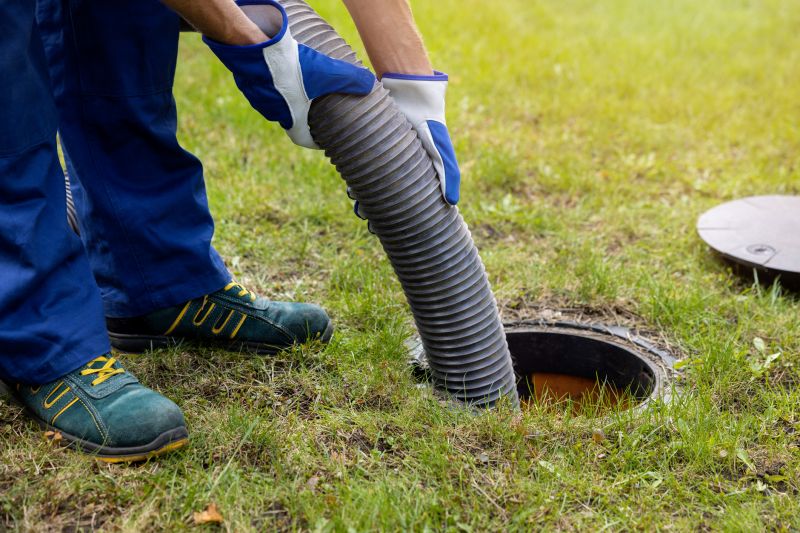 Effective drainage is essential for maintaining the integrity and safety of residential and commercial properties in Olympia, WA. Proper drainage systems help prevent water accumulation, reduce the risk of flooding, and protect structures from water damage. When selecting products for drainage service, it is important to consider the specific needs of the property, including the type of soil, the volume of water to be managed, and the local climate conditions. From simple solutions like drain covers to complex piping systems, there are numerous options designed to address various drainage challenges.
Top Overall Option
Modular Drainage System
A versatile and adaptable drainage solution that can be customized to fit various property layouts and water management needs. Its modular design allows for easy installation, expansion, and maintenance, making it suitable for both residential and commercial applications. Constructed from durable materials, this system effectively channels water away from structures, helping to reduce water pooling and soil erosion. Its compatibility with a range of accessories enhances its functionality and ease of use.
Types of Products For Drainage Service
Channel Drains
Long, narrow drains designed to collect surface water and direct it to a designated outlet. Ideal for walkways, driveways, and patios.
Catch Basins
Grated containers that capture debris and surface water, preventing clogging and facilitating water flow into drainage pipes.
Perforated Drain Pipes
Flexible pipes with small holes that allow groundwater to enter and be transported away from foundations or landscaped areas.
Drain Tiles
Flexible or rigid pipes used mainly in landscape drainage to control excess water and prevent soil saturation.
Sump Pumps
Devices that pump accumulated water from basements or crawl spaces to prevent flooding and water damage.
Gravel and Crushed Stone
Materials used as a base layer in drainage systems to facilitate water flow and prevent soil compaction.
Drain Covers and Grates
Protective covers that prevent debris from entering drainage systems while allowing water to pass through.
Inspection Cameras
Tools used to visually inspect underground drainage pipes for blockages or damage.
Cleaning and Flushing Equipment
Tools designed to clear clogs and maintain the efficiency of drainage pipes and systems.
Waterproof Sealants
Materials used to seal joints and prevent leaks in drainage pipes and fittings.
Drain Repair Kits
Complete sets for fixing leaks, cracks, or damages in existing drainage systems.
Flexible Couplings
Connectors that join different types or sizes of pipes, allowing for easy installation and repairs.
Slope Measurement Tools
Instruments to ensure proper grading and slope for effective drainage installation.
Erosion Control Mats
Protective mats that stabilize soil around drainage areas and prevent erosion.
Rainwater Harvesting Systems
Systems that collect and store rainwater for later use, reducing runoff and managing excess water.
Popular Choices
Widely used for managing surface water in driveways and patios, these grates help prevent pooling.
Subsurface drainage systems that divert groundwater away from foundations and low-lying areas.
Flexible piping options that adapt to various landscape configurations for efficient water movement.
Robust basins designed to handle high volumes of surface runoff in commercial or high-traffic areas.
Inflatable devices used to clear blockages in pipes by expanding within the line.
Versatile fittings that simplify the connection of different drainage components.
Popular tools for quick and thorough inspection of underground drainage lines.
Commonly used to ensure leak-free joints and extend the lifespan of drainage pipes.
Widely used for temporary water removal in basements or construction sites.
Essential for preventing debris entry and maintaining unobstructed water flow.
Popular for stabilizing soil around drainage installations and preventing erosion.
Devices that redirect rainwater from downspouts to drainage systems or storage tanks.
Commonly used for customizing drainage layouts and ensuring proper water flow.
Popular for routine upkeep and quick repairs of drainage systems.
Helpful for ensuring correct grading during installation for optimal drainage.
Drainage products come in a variety of forms, including surface and subsurface solutions. Surface drainage items such as channel drains and catch basins are designed to collect and redirect surface water away from foundations and walkways. Subsurface drainage systems, including perforated pipes and drain tiles, are used to manage groundwater and prevent soil saturation around structures. Proper installation and maintenance of these products are crucial for optimal performance and longevity.
In addition to traditional drainage components, there are innovative accessories and tools that facilitate the installation and upkeep of drainage systems. These include specialized cleaning equipment, inspection cameras, and repair kits. Ensuring compatibility and quality when choosing these products can help streamline drainage maintenance tasks, minimize disruptions, and extend the lifespan of the entire system. Whether for new construction or maintenance of existing infrastructure, selecting the right drainage products is vital for effective water management in Olympia homes and businesses.
Key Buying Considerations
- Assess the type of water to be drained – surface or subsurface – to select appropriate products.
- Determine the volume of water flow to ensure the system can handle peak conditions.
- Consider the material durability, especially in areas exposed to harsh weather or heavy loads.
- Evaluate ease of installation and maintenance requirements for long-term functionality.
- Check compatibility with existing infrastructure and available space for system components.
- Identify the proper slope or grading needed for effective water diversion.
- Select components that prevent debris accumulation and facilitate cleaning.
- Ensure that covers and grates are rated for the expected foot or vehicle traffic.
- Consider the aesthetic integration of drainage products with property design.
- Review local building codes and regulations related to drainage systems.
- Opt for products that allow for future expansion or modifications if needed.
- Prioritize products with reliable sealing and connection features to prevent leaks.
- Think about the accessibility of inspection points for ongoing maintenance.
- Assess the potential for clogging and choose products with features to minimize this risk.
- Evaluate cost versus longevity to find a balance between affordability and durability.